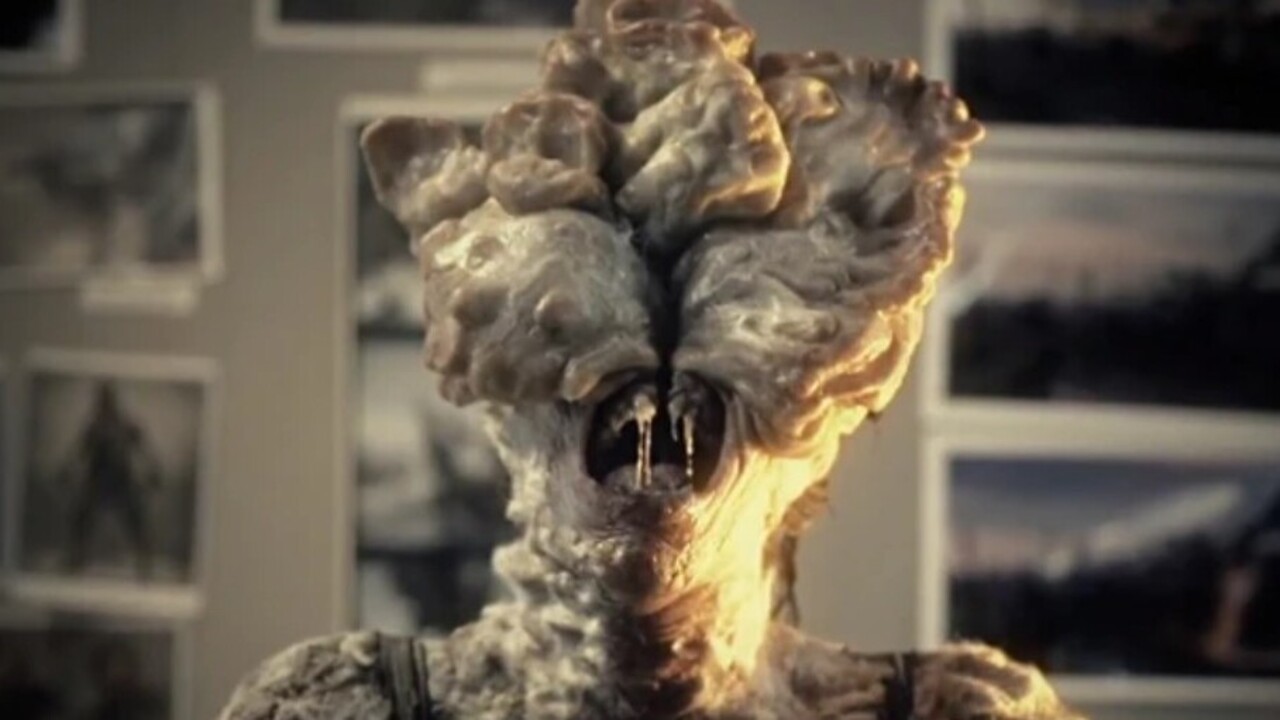
Welcome to the ultimate guide for surviving The Last of Us – or, at the very least, for sounding incredibly cool at your next post-apocalyptic trivia night.
We’re diving headfirst into the biology of cordyceps infection, where fungus doesn’t just ruin bread but also hijacks your brain.
Let the nightmare begin.
What Exactly Are the Infected – Zombies or Something Worse?
You might think they’re zombies. Think again. In The Last of Us, the infected never die. That’s right. No death, no resurrection – just a horrifying fungal parasite slithering into their nervous system and taking full control.
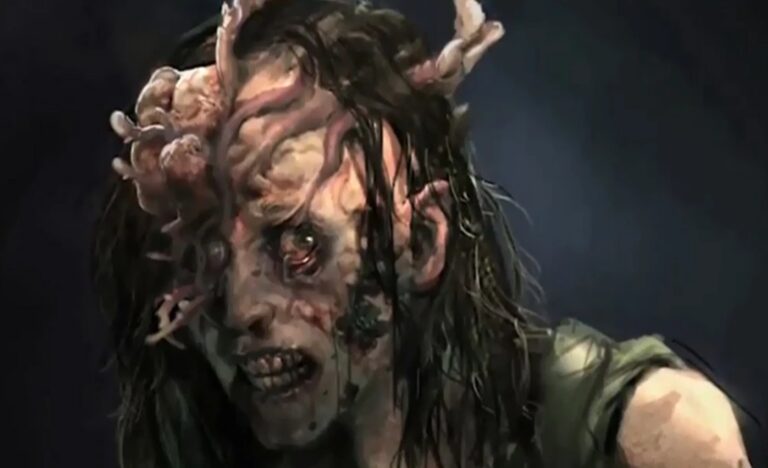
These creatures are still biologically alive, and that’s what makes them even more terrifying. Forget your classic, shambling undead – these beasts sprint, stalk, echolocate, and explode with acidic pustules. This isn’t a slow death; it’s a grotesque transformation.

And while we might lovingly (or fearfully) call them “fungus zombies,” purists – especially co-creator Neil Druckmann – prefer the term “infected.” Fair. But when these things are chasing you in a dark alley? Yeah, you’re screaming “zombie.”
How Does the Infection Start, and What Makes It So Dangerous?
It’s all about timing and the right environment. Once someone’s bitten or breathes in spores (or tendrils, in the show), it’s only a matter of hours – sometimes just two days – before they lose all control.
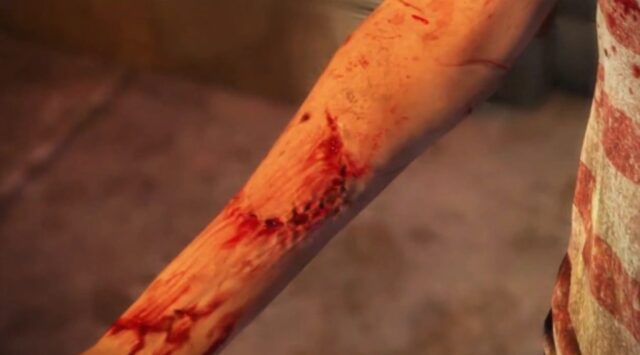
But here’s the kicker: every infected progresses differently depending on their surroundings. Some evolve quickly, others stay stuck in a stage. But all of them? Bloodthirsty, violent, and looking to turn you into a walking mushroom garden.
Oh, and the fungus spreads in multiple ways – bites, spores, and in the HBO adaptation, those long, spaghetti-like tendrils that wiggle right into your skin. Appetite gone? Good. Let’s keep going. Here’s the whole list:
1Runners
Runners are fresh converts, the most human-looking of the infected, and arguably the most tragic. Within hours of exposure, victims lose control, their minds hijacked while their bodies still resemble who they once were.
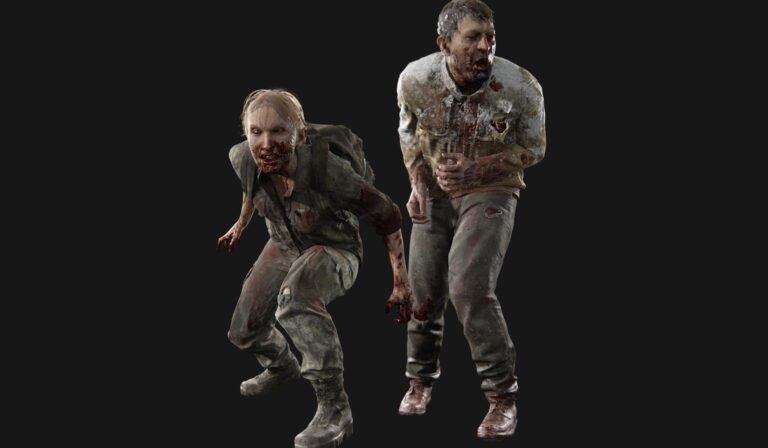
You’ll recognize them by their frantic movements, sunken eyes, and blood-caked mouths. Some even seem aware of what’s happening – moaning in agony, as if trapped inside their own bodies.
But don’t let sympathy trip you up. These things sprint like Olympic athletes and always attack in packs. They might be soft in terms of armor, but your average pistol won’t save you if three of them show up at once.
2Stalkers
Two weeks post-infection, runners shed their humanity and sprout into stalkers. Literally. Fungal plates begin breaking through the skin like grotesque armor, their croaks replacing screams.
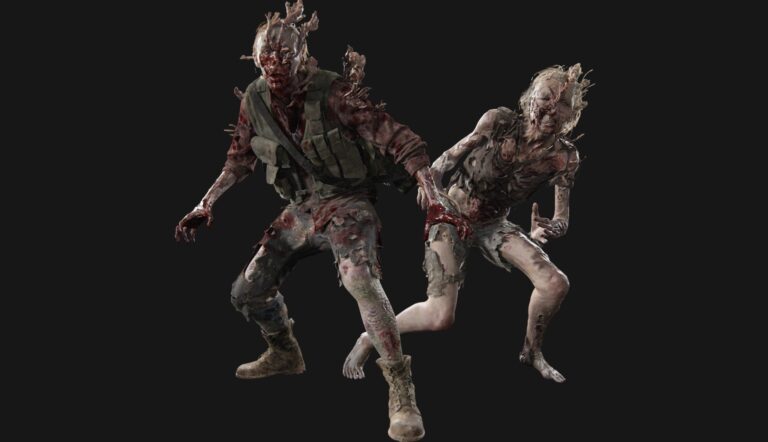
They lurk in shadows, striking only when you least expect it – hence the name. And that’s not all. Some go dormant, fusing themselves to walls with tendrils like they’re taking a nap… until you step too close (spoiler alert: fatal).
Killing them is no walk in the park. A knife won’t cut it. Think shotgun. Think flamethrower. Think twice about walking into any dimly lit hallway. Think something like this:
3Clickers
If you’re even slightly into The Last of Us, clickers need no introduction.
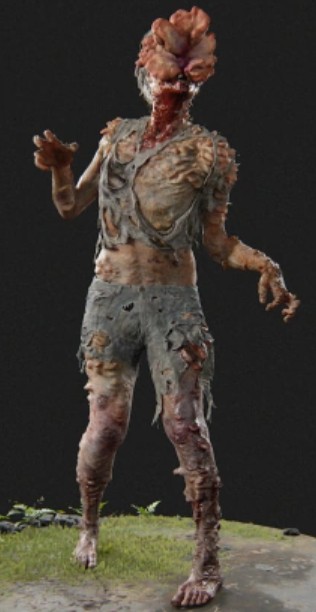
After a year or more, the infection has bloomed so grotesquely that their skulls crack open, making way for mushroom-like growths. They’ve lost their eyes, but they’ve gained a horrific superpower – echolocation. Their iconic clicking noise isn’t just to haunt your dreams – it’s how they hunt.
One misstep, one breath too loud, and the clicker goes full berserk mode. You either sneak past them like a ninja or hit them with a Molotov. Preferably both.
4Bloaters and Shamblers
Now we’re talking endgame horror. After years of festering in either dry or damp climates, stalkers evolve into bloaters or shamblers. Both are massive, grotesque, and barely human.
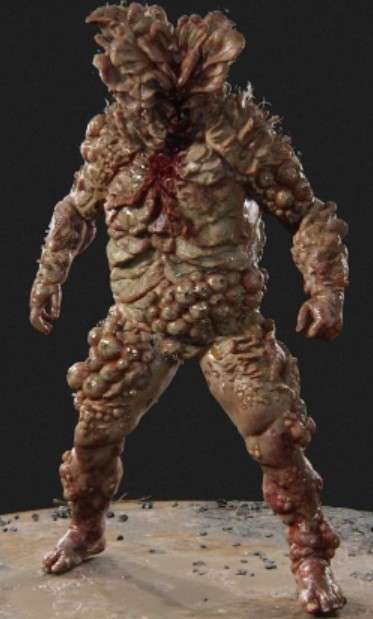
Bloaters are like walking tanks, covered in layers of fungal armor and capable of launching explosive spores. Shamblers? They ooze acidic pus from their bulbous bodies, bursting on contact and making even a near miss dangerous.
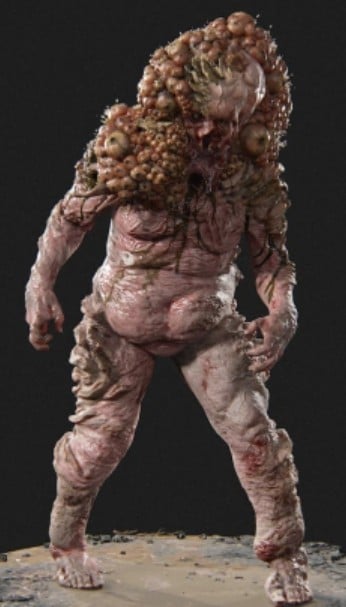
And these monsters don’t just kill you – they melt you. Literally. You’ll need more than ammo. You’ll need a strategy. And maybe a therapist afterward.
5Rat King
Yep. Just when you thought it couldn’t get worse – welcome to your actual nightmare. The Last of Us: Part II introduces the Rat King, a rare fusion of multiple infected hosts that have spent decades merging into one monstrous super-organism.
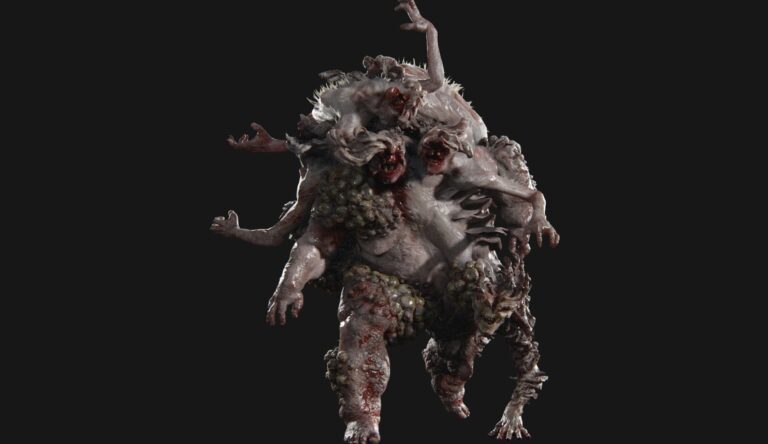
Think of it as the cordyceps’ magnum opus. It’s fast, it’s strong, and it’s capable of splitting into individual enemies mid-fight. Like a horrifying Russian nesting doll – if the dolls could scream.
The good news? Rat Kings are extremely rare. The bad news? It only takes one to unalive the soul in you.
Do Infected Ever Die?
Eventually, yes. Either through violence, or when the cordyceps runs its course, the host succumbs. The final stop? A dark corner where the body becomes a mushroom-covered corpse, fusing to the surroundings and turning the area into a spore-spewing death trap.
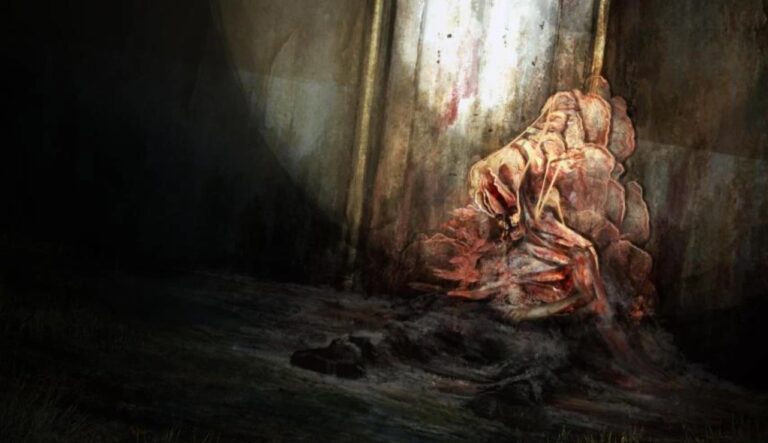
In the games, that’s airborne spores. In the show, it’s those spine-chilling tendrils again. Either way, it’s a fungus party, and you’re not invited.
Final Thoughts: Dystopian Nightmare Fuel!
From moaning runners to explosive bloaters, the infected of The Last of Us are as creative as they are horrifying. And with season two poised to crank up the nightmare fuel, now’s the time to study up and sharpen your survival instincts.
Just remember: avoid the pancake mix – and maybe invest in a flamethrower. Like this:



About The Last of Us 2
The second season of The Last of Us, premiering on HBO on April 13, 2025, continues the post-apocalyptic story based on Naughty Dog’s video game franchise.
Set five years after the first season, Joel (Pedro Pascal) and Ellie (Bella Ramsey) now live in Jackson, Wyoming, alongside Tommy (Gabriel Luna), Dina (Isabela Merced), and Jesse (Young Mazino).
Renewed shortly after its January 2023 debut, the season adapts The Last of Us Part II, with co-creators Craig Mazin and Neil Druckmann joined by writers Halley Gross and Bo Shim. Filmed in British Columbia (February–August 2024), the seven-episode season features directing by Druckmann, Mazin, Peter Hoar, Kate Herron, Nina Lopez-Corrado, Mark Mylod, and Stephen Williams. Gustavo Santaolalla returns as composer.








No Comments on Every Creepy Stage of Infection in The Last of Us Explained: From Runners to the Rat King