Since its debut, The Last of Us franchise has captivated millions with its gripping storytelling, unforgettable characters, and hauntingly realistic post-apocalyptic world. Among the many threats lurking in this devastated landscape, one group stands out for its eerie rituals and mysterious beliefs: the Seraphites, also known as the “Scars.”
Whether you’ve played The Last of Us Part II or watched the acclaimed HBO adaptation, you’ve likely found yourself both fascinated and unsettled by this enigmatic religious cult.
But who are the Seraphites? What do their strange symbols and facial scars mean? Who was their Prophet, and how does this cult connect to the game’s core themes of faith, violence, and survival?
In this comprehensive guide, we’ll unravel the mysteries behind The Last of Us’ religious cult-exploring their origins, iconography, rituals, and profound impact on the story. Whether you’re a longtime fan or a newcomer to the series, this deep dive will give you new insight into one of the most intriguing factions in modern gaming and television.
Who Are the Seraphites in The Last of Us Part II?
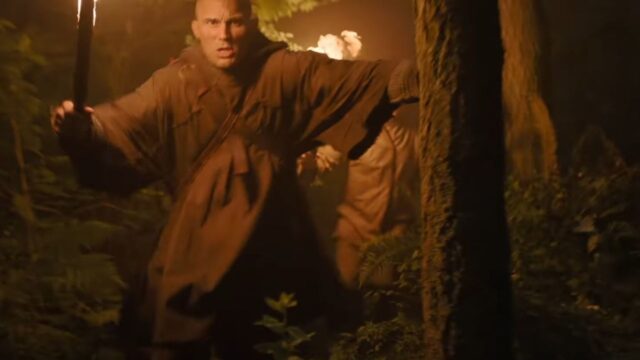
The Last of Us is filled with complex factions, but none are more enigmatic or chilling than the Seraphites, also known as “Scars.” Introduced in the critically acclaimed video game and HBO’s adaptation, this religious cult is central to the story’s exploration of faith, violence, and survival.
In this article, we break down everything you need to know about the Seraphites: their haunting symbols, the meaning behind their facial scars, the legacy of their Prophet, and how this cult connects to the broader themes of The Last of Us universe.
What Is the Origin of the Seraphites?
The Seraphites emerged after the Cordyceps outbreak when society collapsed, and survivors clung to new forms of order and meaning. Founded by a mysterious female Prophet, the Seraphites envisioned a utopian life free from the “sins” of the old world.
Their Prophet’s teachings rejected modern technology and called for a return to a simpler, purer existence, using only basic tools and natural resources.
After the Prophet’s death-executed by the rival Washington Liberation Front (W.L.F.)-the Seraphites’ leadership shifted to a council of Elders. This transition marked a dark turn, as the group’s original peaceful ideals became warped, fueling a brutal civil war with the W.L.F. and justifying extreme acts of violence in the Prophet’s name.
What Does the Seraphites’ Symbol Mean?

Throughout The Last of Us Part II and the HBO series, the Seraphites’ symbol appears carved into walls, trees, and even their bodies. The emblem resembles a wound with a stitch- a powerful metaphor for healing and imperfection.
This design is not random; it reflects the cult’s belief that humanity is inherently flawed and must embrace suffering and healing as part of spiritual growth.
The symbol’s ambiguity has led to comparisons with religious motifs like the Christian ichthys or the astrological Pisces sign. Still, its most direct interpretation ties back to the Seraphites’ ritualized scarring and their obsession with physical and spiritual transformation.
Why Do the Seraphites Have Face Scars?
One of the most distinctive features of the Seraphites is the ritual scarring on their faces. Every new member must cut the sides of their face, leaving permanent marks as a sign of devotion and a reminder of human imperfection. This painful initiation is both a rite of passage and a means of enforcing group identity.
The scars are so central to Seraphite culture that rival factions, especially the W.L.F., use the slur “Scars” to refer to them. Within the cult, the scars are badges of honor, symbolizing sacrifice, humility, and the rejection of vanity. Some leaders bear additional scars, possibly indicating higher status or deeper commitment.
Who Was the Prophet of the Seraphites?
The Seraphites’ Prophet remains an enigmatic figure, never named in the games or show, but her impact is profound. She claimed to have received a vision of a harmonious post-apocalyptic society and inspired her followers to reject the old world’s technology and embrace a new, faith-driven existence.
After her capture and execution by the W.L.F., the Prophet became a martyr. Her teachings were reinterpreted-sometimes twisted by the Elders who succeeded her. This shift led to increased violence, including the taking of underage “wives” and the escalation of the war with the W.L.F., betraying the Prophet’s original vision of peace and unity.
How Do the Seraphites Connect to the Main Story of The Last of Us?
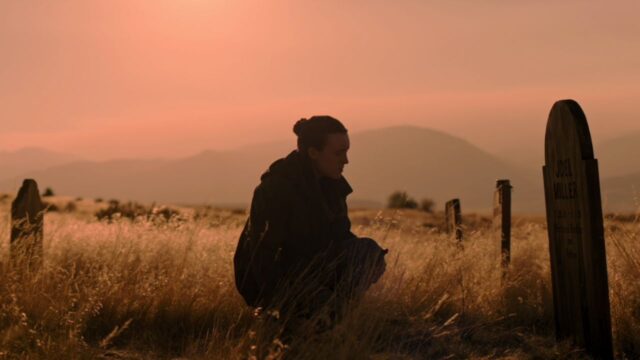
The Seraphites are not just background antagonists; they play a pivotal role in the narrative arc of The Last of Us Part II and the HBO adaptation. Their conflict with the W.L.F. creates a war-torn Seattle, drawing Ellie and Dina into a dangerous web of violence and ideology.
The Seraphites’ presence amplifies the story’s central themes: the cyclical nature of violence, the search for meaning in chaos, and the dangers of blind faith.
Some fans have speculated about connections between Ellie’s facial scar and the Seraphites, though this remains unconfirmed in the official canon. The cult’s influence extends beyond confrontation, shaping the world’s atmosphere of suspicion, zealotry, and survivalism.
What Are the Seraphites’ Beliefs and Practices?
The Seraphites’ doctrine is rooted in the rejection of pre-apocalypse technology and the embrace of nature. They live in a flooded section of Seattle, using gas lanterns and bows instead of firearms or electricity.
Their Prophet’s teachings emphasize humility, sacrifice, and the need to heal the wounds of the past, literal and metaphorical.
Daily life among the Seraphites is highly ritualized. Members pray, chant, and follow strict codes of conduct. The facial scars serve as constant reminders of their commitment and the pain required for spiritual growth. After the Prophet’s death, the Elders intensified these practices to maintain control and justify increasingly extreme actions.
How Does the Seraphites’ Symbolism Reflect Real-world Religious Movements?
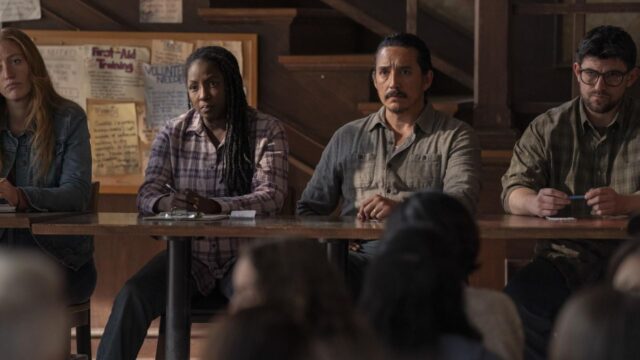
The Seraphites draw inspiration from real-world religious cults and movements, blending Christian martyrdom, asceticism, and apocalyptic prophecy elements.
Their use of scars as symbols of devotion echoes historical practices of self-flagellation and stigmatization in various faiths. The Prophet’s transformation from visionary leader to martyr mirrors the trajectory of many charismatic founders whose teachings were later radicalized by successors.
This layered portrayal adds depth to The Last of Us, inviting players and viewers to question the line between faith and fanaticism, healing and harm.
What Is the Game Connection?
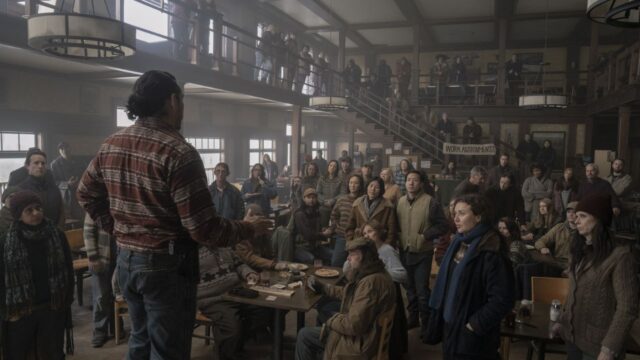
In The Last of Us Part II, the Seraphites are formidable adversaries. Their stealth tactics, use of whistled signals, and reliance on bows make them uniquely threatening. The game immerses players in their territory, revealing the cult’s rituals, propaganda, and the psychological toll of their beliefs.
The Seraphites’ war with the W.L.F. serves as a backdrop for the personal journeys of Ellie and Abby, highlighting how ideology can unite and destroy. Though rarely heard directly, the Prophet’s teachings echo throughout the environment, shaping the motivations and fears of everyone involved.
Why Are the Seraphites Important to The Last of Us’ Themes?
The Seraphites embody the dangers of dogmatism and the seductive power of belonging in a broken world. Their rituals, symbols, and history are a cautionary tale about how easily hope can be corrupted into fanaticism.
By confronting the Seraphites, Ellie and Abby are forced to grapple with their beliefs, prejudices, and the cost of vengeance.
The cult’s presence deepens the narrative, reminding players and viewers that in The Last of Us, survival is as much about ideology as it is about strength.
Conclusion
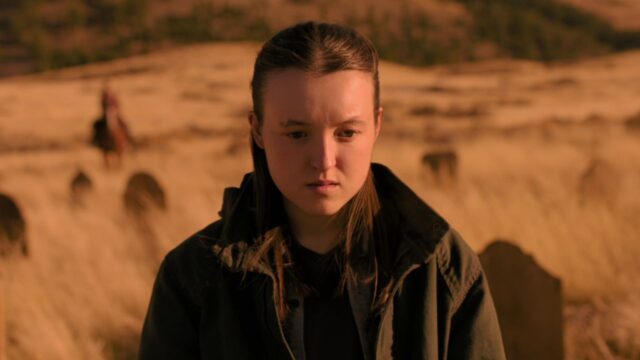
The Seraphites are more than just another enemy faction-they are a mirror reflecting humanity’s search for meaning amid chaos. Their scars, symbols, and stories challenge us to consider the price of faith, the allure of belonging, and the thin line between healing and harm.
As The Last of Us continues to captivate audiences, the legacy of the Seraphites will remain a haunting reminder of the world’s complexity and the enduring struggle between hope and despair.

About The Last of Us
Based on Naughty Dog’s hit video game franchise, The Last of Us continues the story of Joel (Pedro Pascal) and Ellie (Bella Ramsey) five years after the events of Season 1.
Set in a world ravaged by a fungal pandemic that turns humans into zombie-like creatures, the season adapts The Last of Us Part II, introducing Abby (Kaitlyn Dever) and exploring themes of survival, revenge, and strained relationships.
Filmed in British Columbia, the seven-episode season is co-created by Craig Mazin and Neil Druckmann, with a talented team of directors and writers. The second season of HBO’s critically acclaimed post-apocalyptic drama premieres April 13, 2025.







No Comments on The Last of Us: Seraphites Cult Explained — Symbol Meaning, Face Marks, Prophet & Game Ties