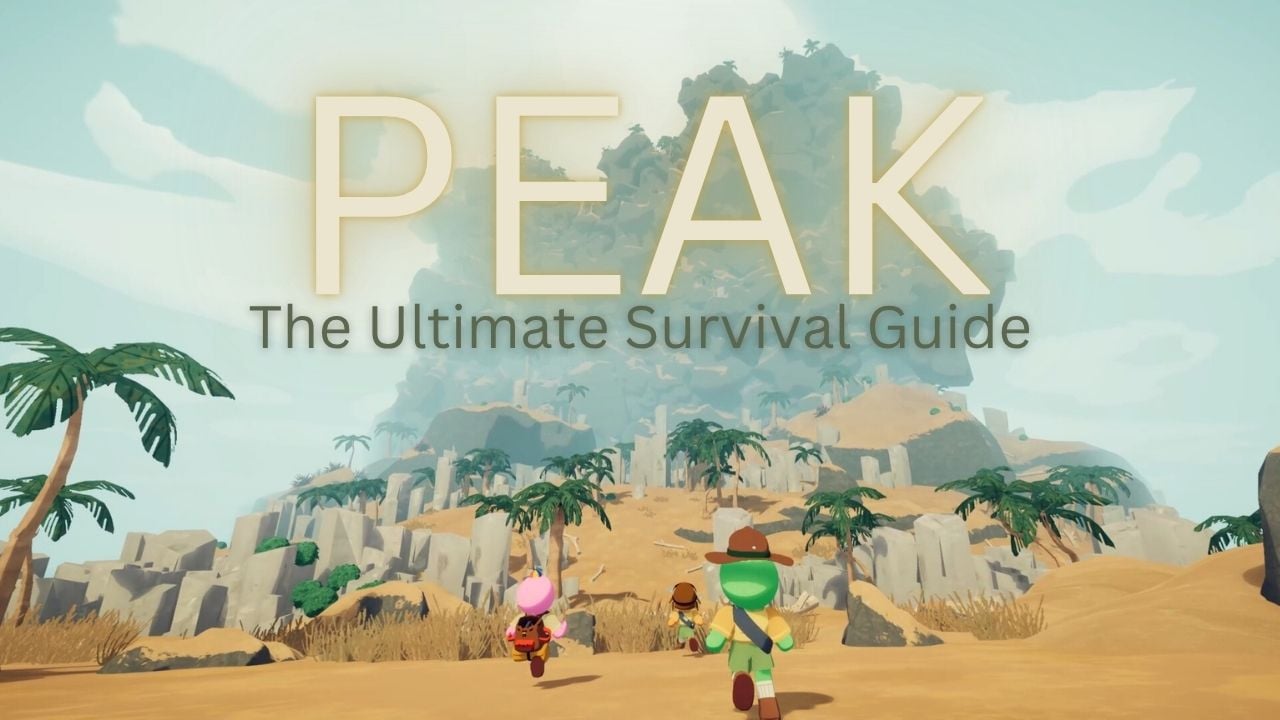
PEAK is a physics-based, roguelike climbing survival game set on a procedurally generated island with five hostile biomes.
You and your three fellow scouts must scale a deadly mountain where weather and hunger are just as dangerous as the terrain.
This ultimate guide will help you survive your first expedition and beyond — whether you’re embarking solo or racing to the peak with your friends.
1. A Beginner’s Guide to PEAK – Solo and Multiplayer
PEAK is a fun, challenging climbing survival roguelike where your only goal is to reach the top at all costs—either solo or with three other scout friends.
If you want to survive the risky terrains, harsh weathers, and gradually depleting hunger and stamina, you’re going to need a few tips to get started.
So scouts, let’s start the climb!
i. Basic Survival: Master the Climb

Stamina is Everything
In PEAK, you have a primary stamina bar that is affected by weather, hunger, carried weight, and health.
Your stamina slowly depletes as you climb, and you can recover it by stopping on flat ledges, carrying cooked food or energy drinks for quick recovery, and managing your inventory so that you’re not carrying too much weight on your person.
There is also a secondary stamina bar gained from energy drinks and food you consume, and it kicks in automatically when you’re nearly spent.
Strategy Over Speed
Plan your climb like a puzzle—don’t assume the best route is straight up. Lateral or even downward paths can save stamina and offer safer pathways.
Always scout the terrain before committing, and DO NOT begin a climb without a clear escape plan.
Use natural features like ledges, vines, and flat zones to pause, rest, and recover along the way.
Climbing Techniques
- Lunge Climb: Hold sprint while climbing to leap farther (costs stamina).
- Momentum Grab: Jump onto ropes/chains from a height for swing and speed from momentum.
- Fallback Roping: Place ropes as escape paths, not just for ascent.
- Double Anchor Pathing: Combine ropes/chains to make custom routes with safe zones.
Rope & Chain Tools
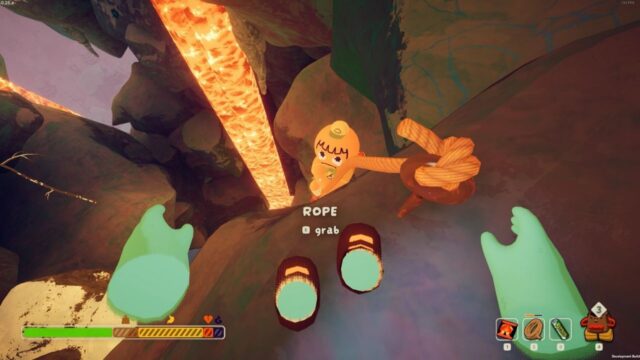
- Rope Launcher: Fires a short horizontal/diagonal rope.
- Chain Launcher: Fires a long horizontal/diagonal chain.
- Basic Rope: Creates a rope climbing point, used to help teammates climb up or secure retreat paths.
- Anti-Rope: Opposite of the basic rope, it goes up instead of going down, used to climb short distances upwards.
Note: Jumping onto ropes/chains from above preserves stamina through momentum.
Biome Hazards
Each biome has unique environmental threats that require careful preparation and adaptation:
| Biome | Hazard | Tips |
| Shores | Poison plants, urchins | Grab coconuts early. Learn which shrooms are poisonous and which are healthy. |
| Tropics | Slippery rain | Wait out the rain. Avoid poisonous plants/spikes and exploding bushes. |
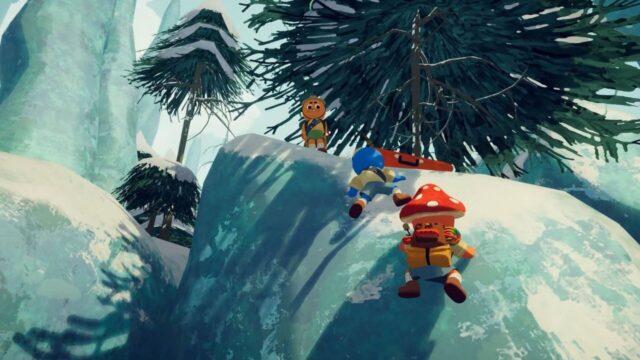
| Alpine | Freezing wind, Frost debuff | Use Heat Packs. Take shelter in rock crevice. Avoid exploding ice flowers. |
| Caldera | Rising and Decreasing lava | Stay at high altitudes and use chains to cross gaps. |
| Kiln | Lava, fiery rocks | Watch your steps and stamina, use all your tools to their best ability. |
Some hazards (bees, broken bridges, traps) look dangerous on purpose, so trust your instincts.
Inventory & Resource Management
Inventory management is crucial—using a backpack grants you 4 extra slots but adds weight, which slows down stamina regeneration.
In co-op mode, share the load with teammates to balance stamina use.
When playing solo, every slot matters, so pack smart and carry only what you need.
Essentials to Carry:
- 2–3 cooked food items
- 1 rope tool (basic rope, anti-rope, rope launcher, or chain)
- 1 healing item (Bandage or Medkit)
- 1 stamina item (Energy drink, Sports Drink, Lollipop)
Hunger & Food Strategy
Cook everything before you consume it—whether it’s food or energy drinks, cooking significantly boosts their stamina recovery.
Use campfires or portable stoves to cook your items, but DO NOT cook tools by accident, or they will be destroyed permanently.
Best Early Foods:
- Coconuts can be knocked down from palm trees and smashed on rocks, giving two servings.
- Trail Mix, cooked berries, and honeycomb are top-tier stamina food.
Know Your Poison:
| Food Type | Safe or Poisonous |
| Red Berries | Safe |
| Yellow Berries | Safe |
| Purple Berries | Safe |
| Green Berries | Poisonous |
| Funky Mushrooms | Poisonous |
Test unknown foods on flat ground before consuming, and always carry Antidotes just in case.
ii. Tips for Playing Co-Op
Helping Hands
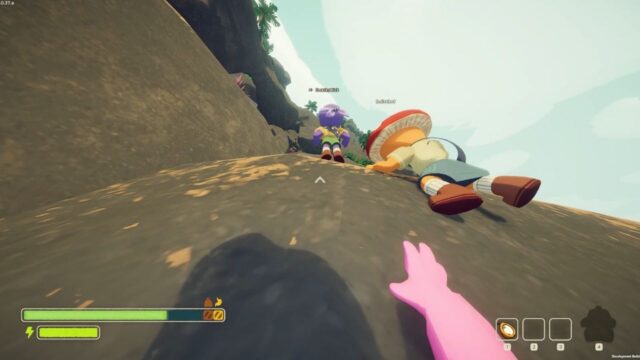
- Right-click above a teammate to pull them up when they’re close to a ledge, allowing them to climb up safely without wasting stamina.
- Great for helping injured or overloaded teammates.
Crouch Boosting
- When a crouched player stands and the player on top of them jumps simultaneously, it creates a trampoline-like boost.
- Perfect for clearing short gaps or conserving rope during climbs.
Communication Tools
- Middle-click to ping loot, hazards, or paths.
- Use proximity voice chat to coordinate heals, boosts, or item drops.
- Assign roles (Healer, Scout, Carrier).
Death & Revival
| Situation | Tool Needed | Notes |
| Unconscious teammate | Medkit or Antidote | Use for exhaustion or poison |
| Dead teammate | Scout Effigy | Rare, single-use revival item found in Ancient Luggage or rare chests. |
| Teammate(s) revival | Ancient Statue | At the end of most biomes (except Kiln) |
Note: If no one is dead, the Ancient Statue gives a Mythical Item instead.
iii. Tips for Playing Solo
Solo play in PEAK is a high-risk, high-reward survival experience. Without teammates to revive or assist, every decision counts.
- Slow is safe, so never rush unless fog forces it.
- Rest often and avoid any jump you’re not 100% sure of.
- Always scout your fallback before committing to vertical climbs.
- Use Tenderfoot Mode to learn biomes without fog.
- Don’t eat during climbs unless it’s an emergency.
- Avoiding death is key—there are no revives unless you’re carrying an Effigy, so caution is essential.
- Do not open suspicious containers if your health is low, as they may trigger traps.
- Prioritize survival over loot, especially in areas with heavy fog or hidden dangers.
2. PEAK – Guide Recap
So Scouts! What have we learned today?
Rest before you’re exhausted, drop excess weight to improve stamina recovery, always scout your route, and plan according to the biome.
Climb smart, cook your food, use your tools wisely, and always have a backup plan. And remember, the map changes daily: no two climbs will ever be the same.
Each peak brings a new challenging climb. The fog is coming. The mountain is shifting. Your only way out… is up.
Prepare for the ascent, brave scouts! The rescue helicopter is waiting for you at the PEAK.
And please don’t cook your rope.
3. About PEAK
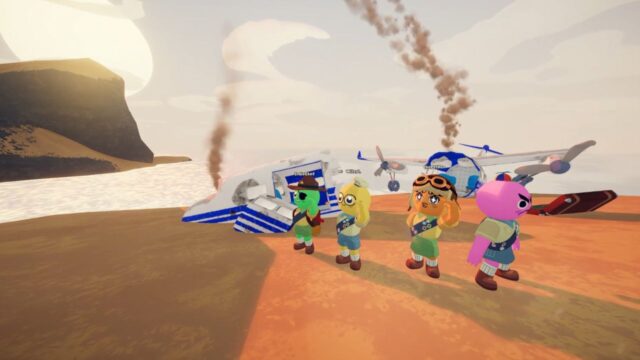
PEAK is a cooperative first‑person climbing survival game developed by Aggro Crab and Landfall for Windows. You (and your teammates) play as a scout who crash‑lands on a mysterious island and must scale a procedurally‑generated mountain—solo or with up to three friends—managing resources like stamina, food, ropes, and pitons along the way.
Released on 16 June 2025, in just six days post-launch, the game sold over 1 million copies and reached over 4–5 million within weeks, earning praise for its charming slapstick co‑op, ever‑changing daily maps, and engaging survival‑climbing mechanics.



![All Active Bee Swarm Simulator Redeem Codes – Roblox [February 2025]](https://www.epicdope.com/wp-content/uploads/2025/02/Bee-Swarm-Simulator--640x360.jpg)




No Comments on Scouts Assemble! – PEAK: The Ultimate Survival Guide